
Estimated reading time: 9 minutes
Quick Answer
In the hospitality industry, first impressions are everything. Implementing permanent LED lighting for hotels and resorts is not just about visibility — it is a critical tool for brand storytelling and guest safety. To succeed, prioritize hospitality architectural lighting that uses warm white outdoor facade temperatures (2700K–3000K) to create an inviting ambiance. Specify commercial-grade resort facade LED fixtures with IP65/IP67 ratings to ensure your tourism landscape lighting withstands the elements while reducing long-term energy and maintenance costs.
Introduction: Setting the Stage for Exceptional Guest Experiences
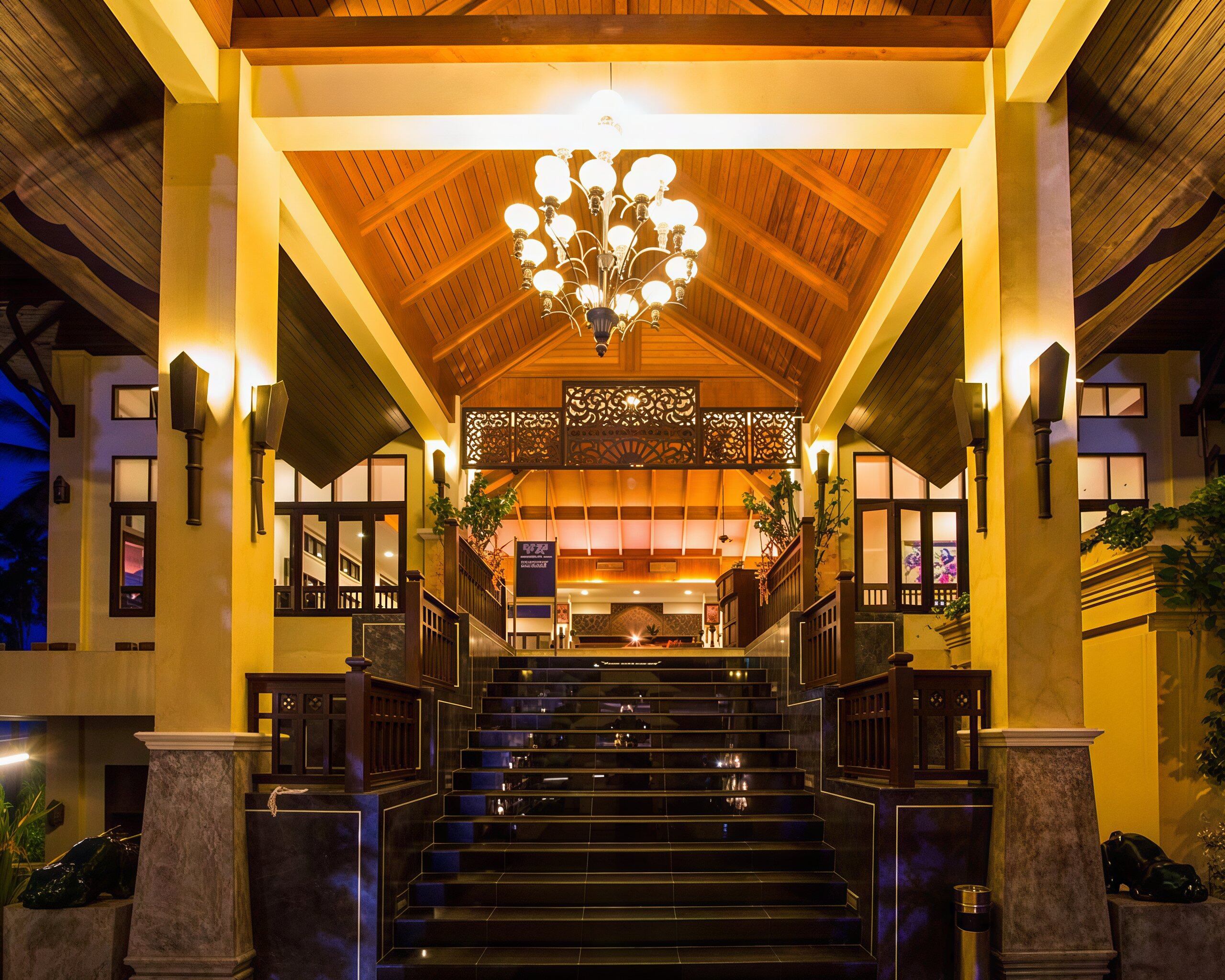
When a guest arrives at a hotel or resort after a long journey, the lighting is the first physical element that communicates your brand's promise. Is it a cozy, intimate boutique hotel, or a sleek, modern business resort? The lighting tells the story before the guest even steps into the lobby.
Unlike residential lighting, hospitality architectural lighting must operate 365 days a year in harsh outdoor environments. It must be:
Durable
Energy-efficient
Meticulously designed to create a safe, welcoming, and photogenic environment
This technical guide explores how to specify permanent LED lighting for hotels and resorts, ensuring your property stands out in a competitive market while providing a flawless guest experience.
1. The Art of First Impressions: Hotel Exterior Lighting
The exterior of a hotel is its calling card. Hotel exterior lighting serves a dual purpose: it must attract the attention of potential guests while also providing a sense of security.
Warm White Outdoor Facade
The color temperature you choose sets the emotional tone. For the hospitality industry, we highly recommend a warm white outdoor facade (typically between 2700K and 3000K).
Color Temperature | Effect | Best For |
|---|---|---|
2700K–3000K | Warm, inviting, luxurious | Hotel facades, entrances, pathways |
4000K–5000K | Clinical, uninviting | Not recommended for hospitality facades |
This temperature mimics the warmth of a fireplace or candlelight, making the building feel inviting and luxurious.
Highlighting Architecture
Use directed spotlights or asymmetric wash lights to highlight the hotel's unique architectural features:
Grand entrance canopies
Historic stone facades
Modern glass exteriors
Safety and Wayfinding
Ensure that pathways, steps, and drop-off zones are evenly illuminated to prevent accidents, but avoid harsh glare that might blind arriving drivers.
2. Defining the Resort Identity: Resort Facade LED Solutions
For resorts, the lighting design must extend beyond the main building and integrate with the natural environment.
IP65/IP67 Durability
Coastal resorts face salt spray, high winds, and intense UV radiation. Your resort facade LED fixtures must have a minimum rating of IP65 (jet-water resistant). For fixtures installed near pools, beaches, or low-lying areas, IP67 (immersion resistant) is essential.
Rating | Protection | Best For |
|---|---|---|
IP65 | Jet-water resistant | General outdoor facade |
IP67 | Temporary immersion | Pools, beaches, low-lying areas |
IP68 | Continuous immersion | Fountains, water features |
Blending with Nature
When specifying tourism landscape lighting, choose fixtures that blend into the environment:
Miniaturized fixtures
Recessed ground lights
Tree-mounted spotlights that provide a "moonlight effect" through the branches
Dark Sky Compliance
High-end resorts are often located in pristine natural areas. To protect local wildlife and preserve the night sky, specify resort facade LED fixtures with:
Shielded optics
Full cut-off designs
Minimal light pollution and sky glow
3. Technical Specifications for Permanent Hotel Exterior Lighting
When investing in permanent LED lighting for hotels and resorts, longevity and low maintenance are critical. Replacing failed fixtures on a high-rise building is extremely expensive and disruptive to guests.
Feature | Specification | Why It Matters |
|---|---|---|
Color Temperature | 2700K–3000K (Warm White) | Creates a cozy, premium hospitality atmosphere |
CRI | ≥80 (Facade), ≥90 (Landscape) | Ensures landscaping and architectural details look natural |
IP Rating | IP65 minimum; IP67 for coastal/splash zones | Protects against rain, snow, and coastal humidity |
Housing Material | Die-cast aluminum with anti-corrosion coating | Withstands harsh weather and salt air |
Control System | DALI or 0-10V dimming | Allows for automated scheduling and energy savings |
Glare Control | Recessed LED, honeycomb louvers, or asymmetric lenses | Protects guest comfort and prevents light trespass |
4. Energy Efficiency and Smart Control in Tourism Landscape Lighting
Sustainability is a major selling point for modern hotels. Guests appreciate eco-friendly practices, and owners appreciate lower operational costs.
Automated Scheduling
Connect your tourism landscape lighting to an astronomical time clock or a Building Management System (BMS). This ensures lights turn on exactly at sunset and dim down or turn off during early morning hours.
Dimming Capabilities
Using DALI or 0-10V dimming protocols allows you to reduce light output to 20–30% after midnight. This:
Maintains a safe environment for security cameras
Saves massive amounts of energy
Extends the lifespan of the LEDs
Solar and Off-Grid Solutions
For remote resort pathways or beach cabanas, consider high-quality solar-powered LED bollards and path lights. Modern solar panels and lithium batteries can now provide reliable illumination year-round without trenching power cables.
FAQ: Permanent LED Lighting for Hotels & Resorts
Why should hotels choose warm white over cool white for exterior lighting?
Warm white (2700K–3000K) is universally preferred in the hospitality industry because it creates a psychological sense of warmth, comfort, and luxury. Cool white (4000K+) is often associated with office buildings, hospitals, or security lighting, which can make a resort feel cold and uninviting to arriving guests.
How do we prevent light from spilling into guest rooms?
Light trespass is a major complaint in hotels. To prevent this:
Use fixtures with precise asymmetric optics
Aim light directly at the facade or ground
Use shielded fixtures or recessed downlights with deep baffles to control the beam angle
What is the best maintenance strategy for permanent resort facade LED?
The key is modularity. Specify fixtures where the LED board and driver can be replaced independently without replacing the entire housing. Use remote monitoring systems (like DALI or RDM) to alert maintenance teams immediately if a fixture fails.
Can we integrate color-changing lights for special events?
Yes. While a warm white outdoor facade should be the default setting for daily operations, you can specify RGBW fixtures controlled by DMX512. This allows the hotel to change the facade color for holidays, brand partnerships, or special events.
What IP rating is required for coastal resort lighting?
For coastal resorts, specify IP67 minimum for fixtures near pools, beaches, or low-lying areas. Salt spray and temporary immersion require higher protection than standard IP65. For fountains or submerged features, use IP68.
Summary
Consideration | Recommendation |
|---|---|
Color Temperature | 2700K–3000K warm white for hospitality |
CRI | ≥80 for facade; ≥90 for landscape |
IP Rating | IP65 minimum; IP67 for coastal/splash zones |
Housing | Die-cast aluminum with anti-corrosion coating |
Control | DALI or 0-10V for scheduling and dimming |
Glare Control | Asymmetric optics, shielded fixtures |
Sustainability | Solar options for remote pathways |
Related Reading
“I Think the Price Is No Problem”: A Croatia Story About Trust, Listening, and a $35,000 Order →
LED Down Light Kit – Recessed Ceiling Ambient Lighting Solution for Architectural Projects →
Need Permanent LED Lighting for Your Hotel or Resort?
We supply premium Outdoor Facade Lighting solutions — featuring commercial-grade hotel exterior lighting, durable resort facade LED fixtures, and expert hospitality architectural lighting design support.
👉 Contact Us Today for samples, technical support, or a quote.