Power Solutions
Certified LED power supplies through our strategic partnership with N-TECH Power
Why Choose Our Power Solutions
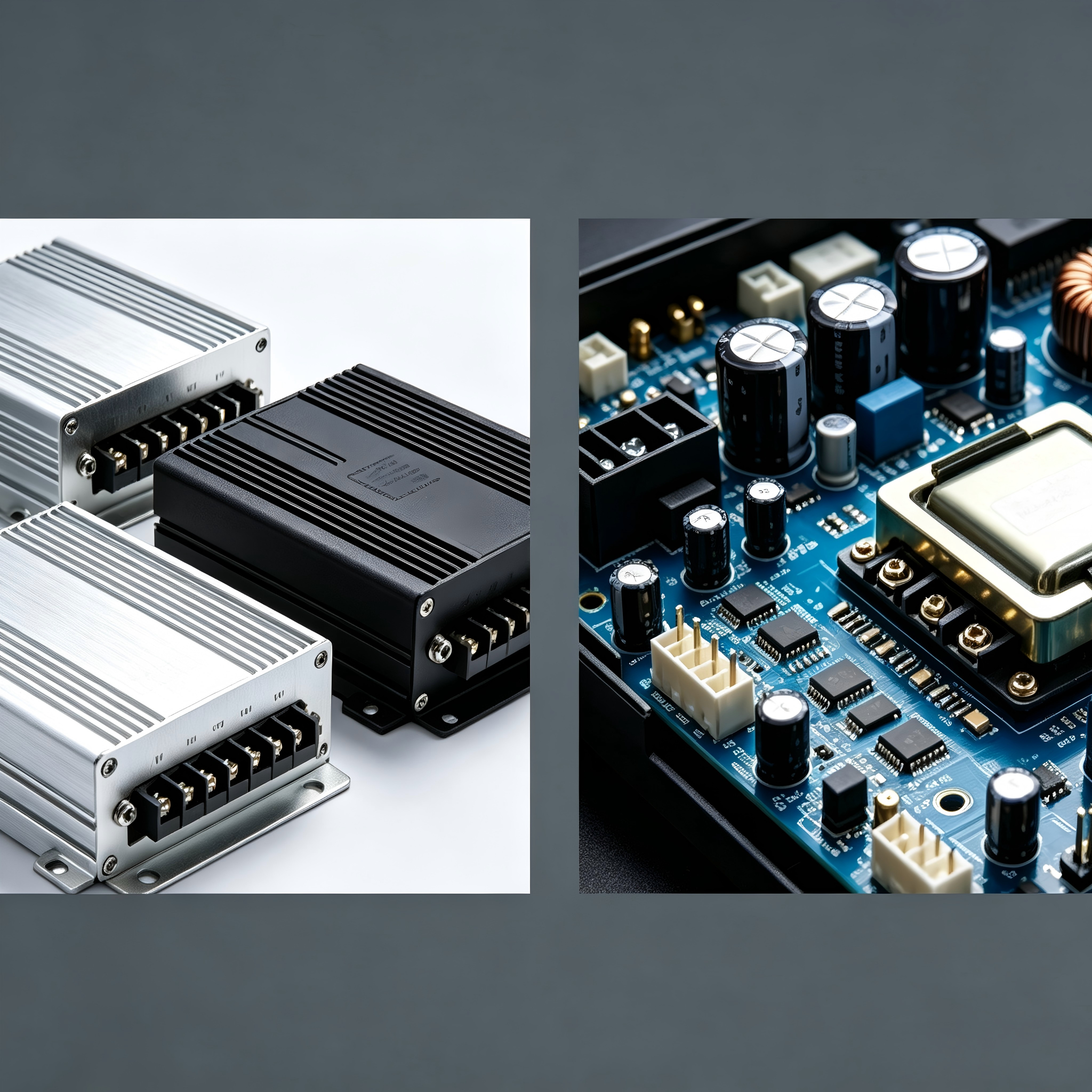
Complete LED system reliability through certified, high-performance power infrastructure
High Power Output
Specializing in 120W and above high-power LED drivers for demanding commercial and industrial applications.
Small Batch Customization
Flexible MOQ for custom power solutions. We support project-based orders without requiring massive volumes. Starting from 50 units, we support your project from prototype to pilot run without inventory pressure.
Certified Quality
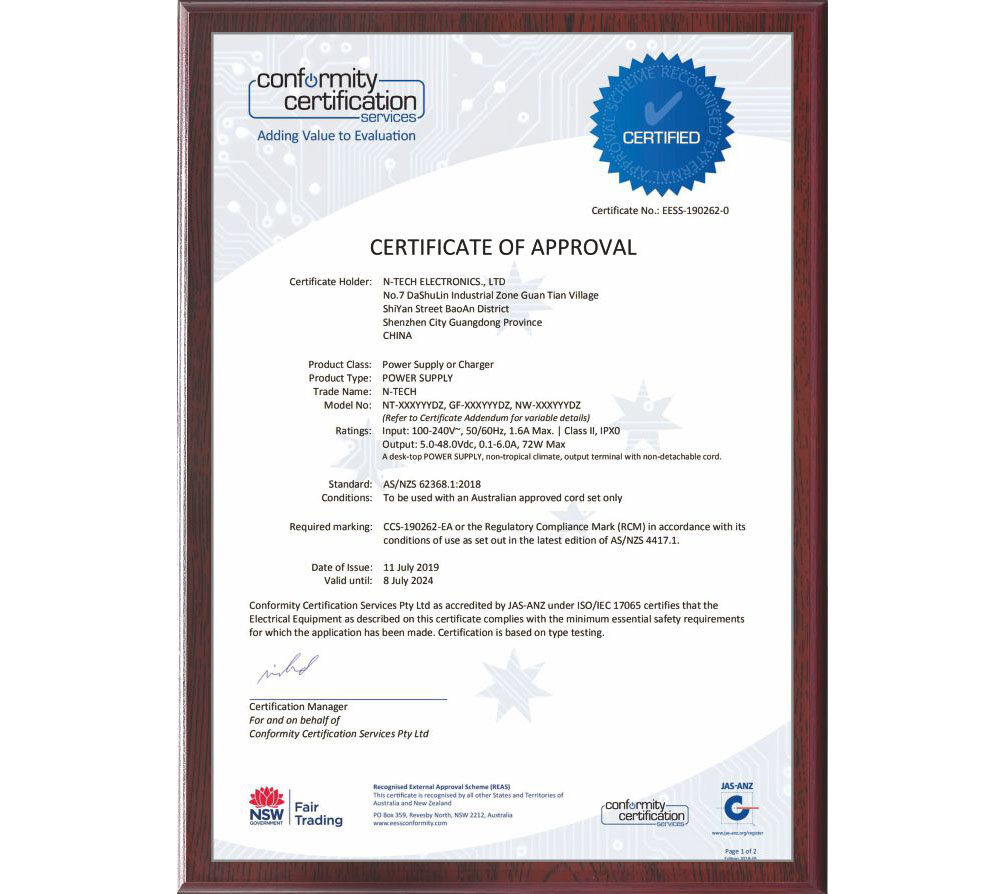
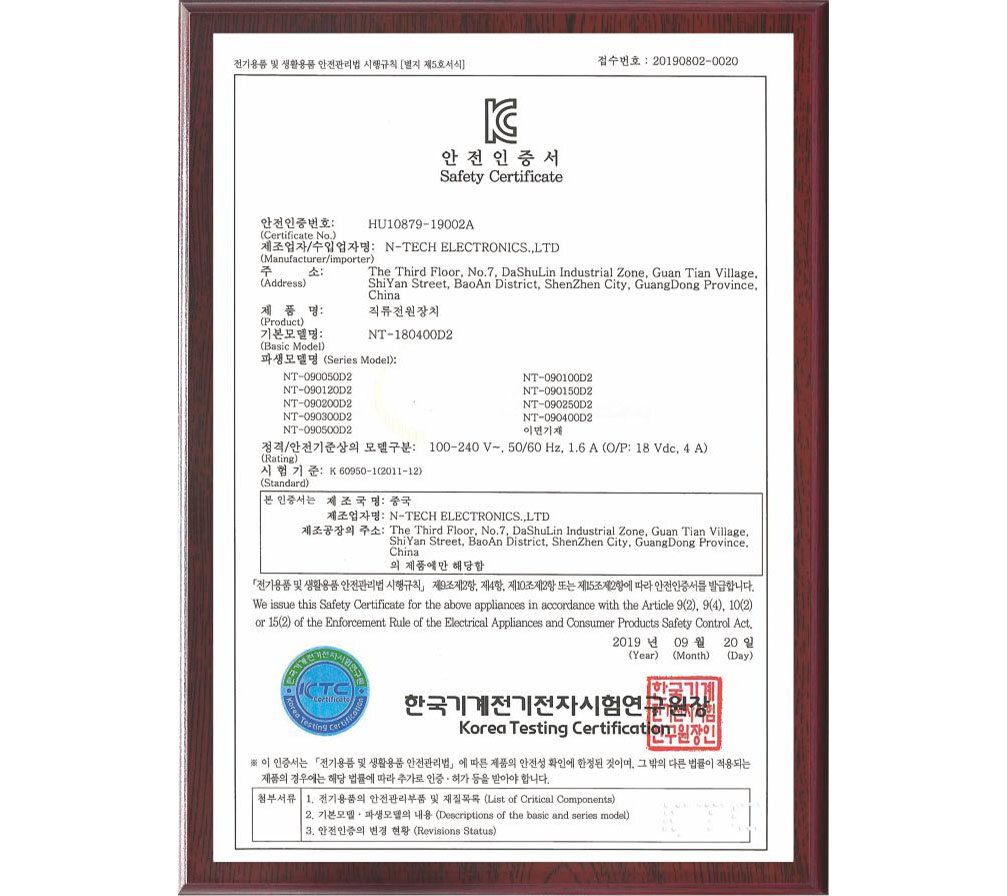
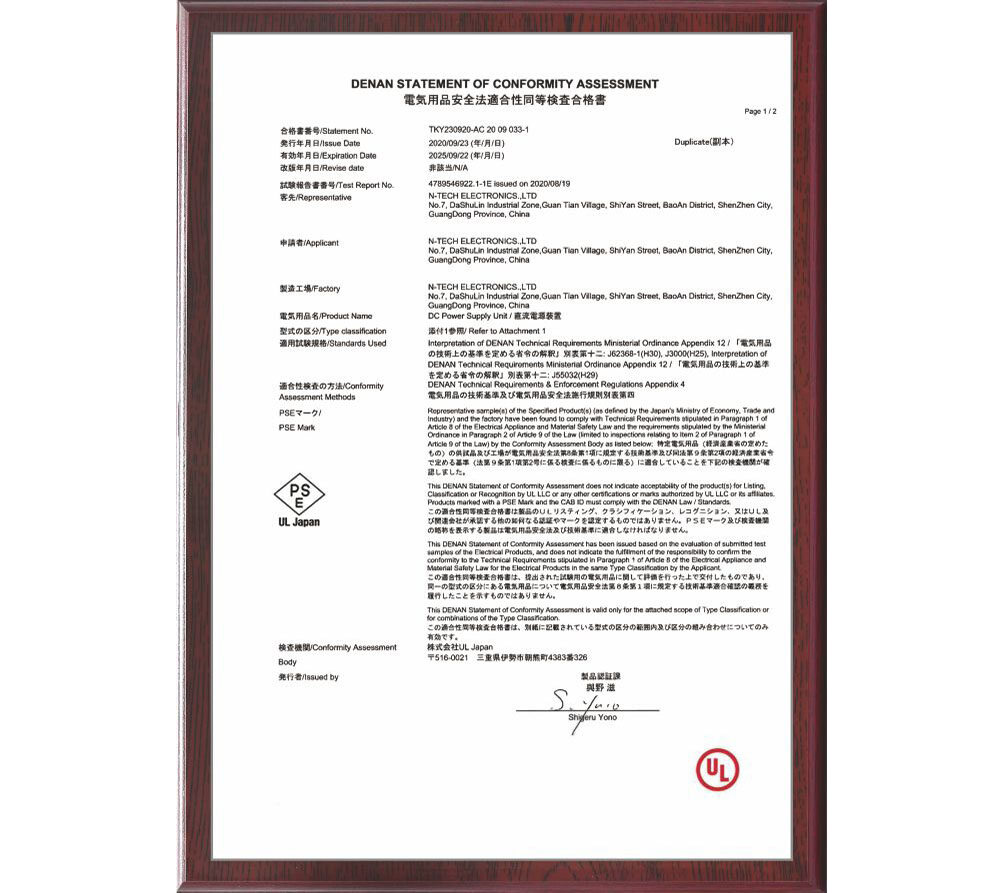
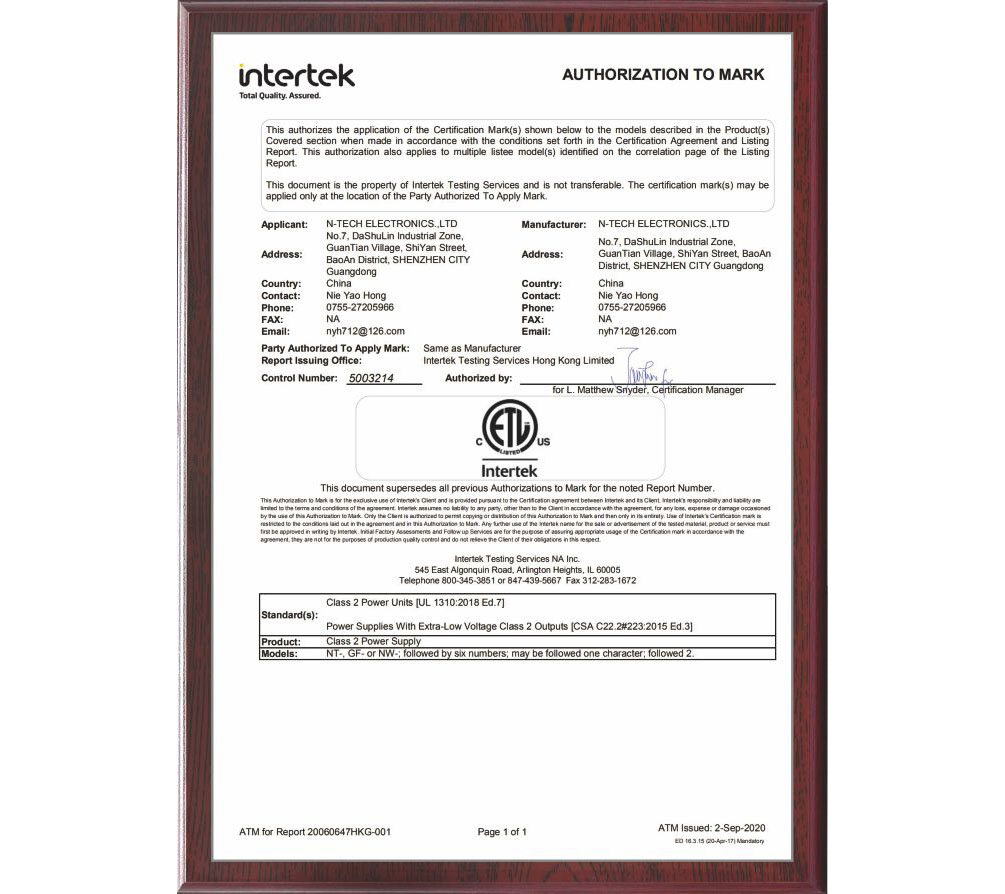
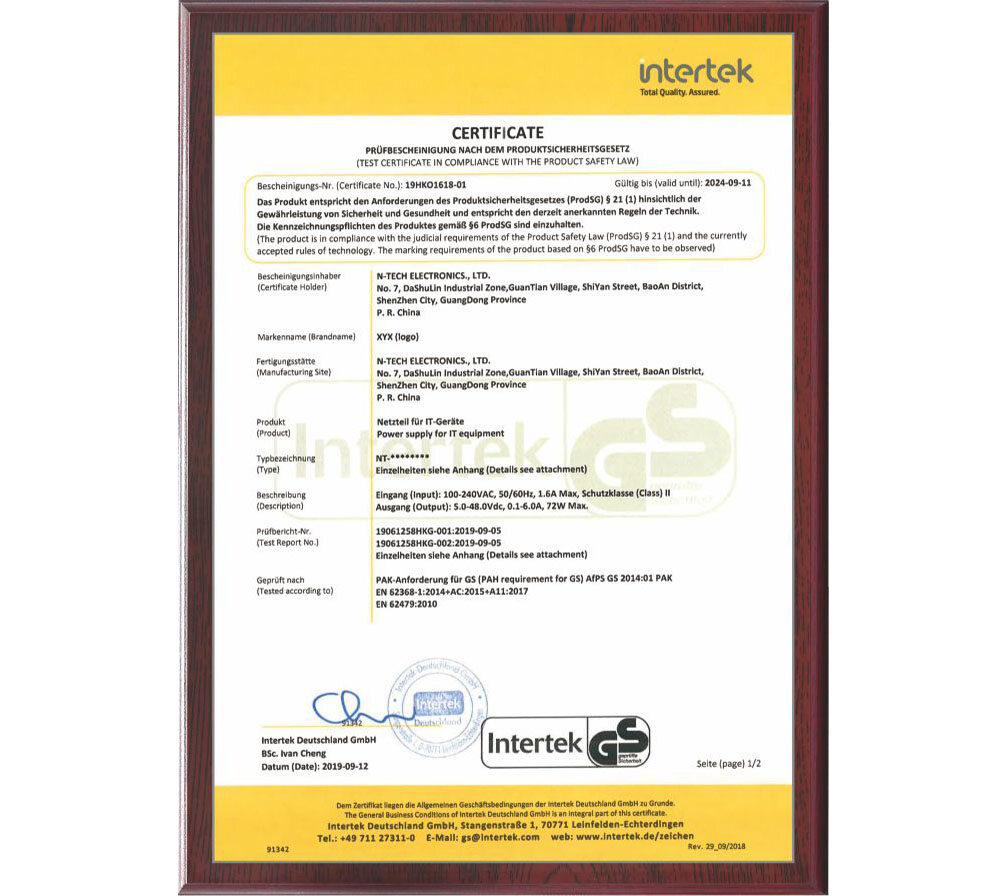
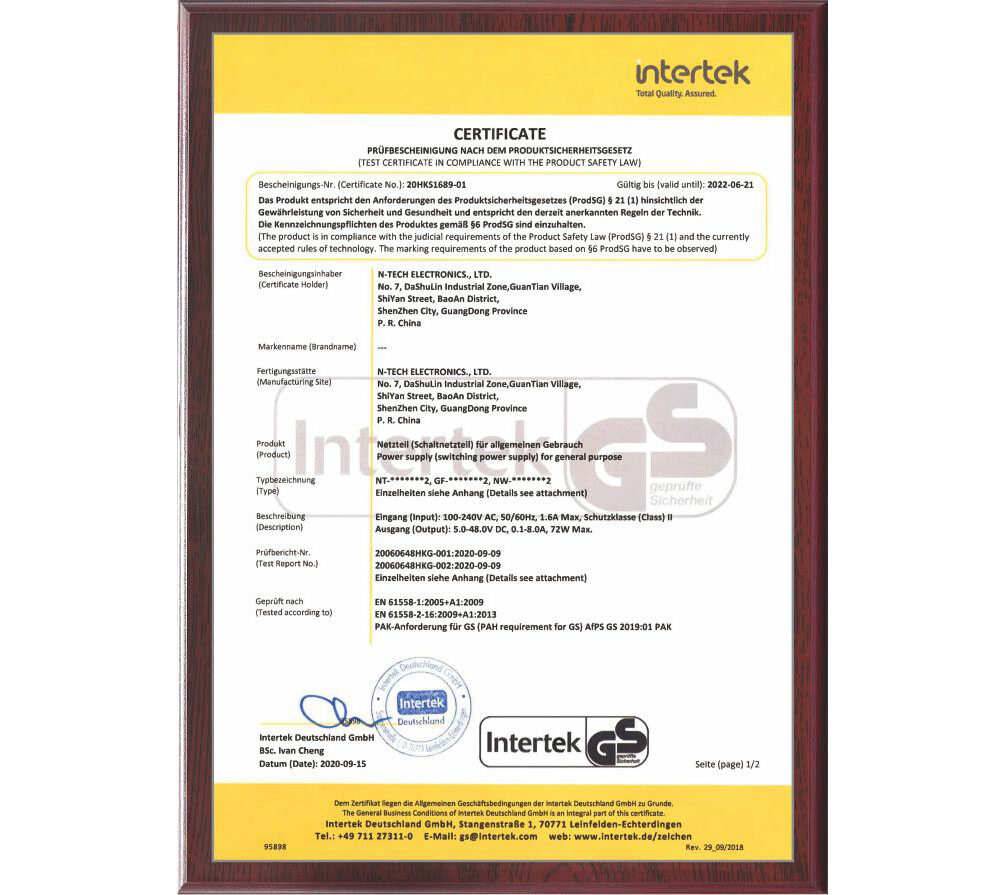
All power supplies carry international certifications (UL, CE, PSE, etc.) ensuring compliance and safety.
LED System Integration
Seamless integration with our custom LED fixtures for complete, reliable lighting solutions.
Product Range
Comprehensive power solutions for every LED application
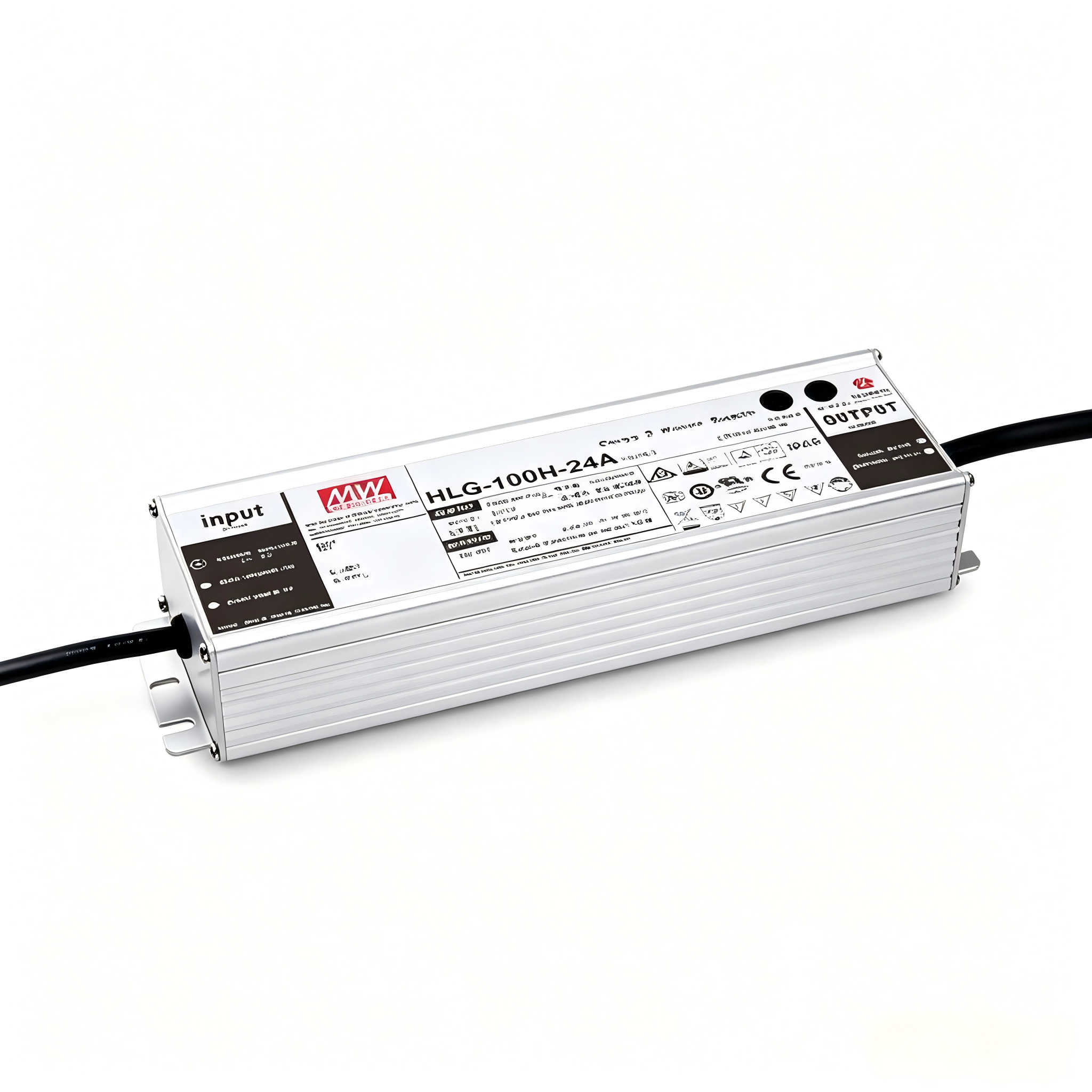
LED Drivers
Constant voltage and constant current drivers for various LED applications
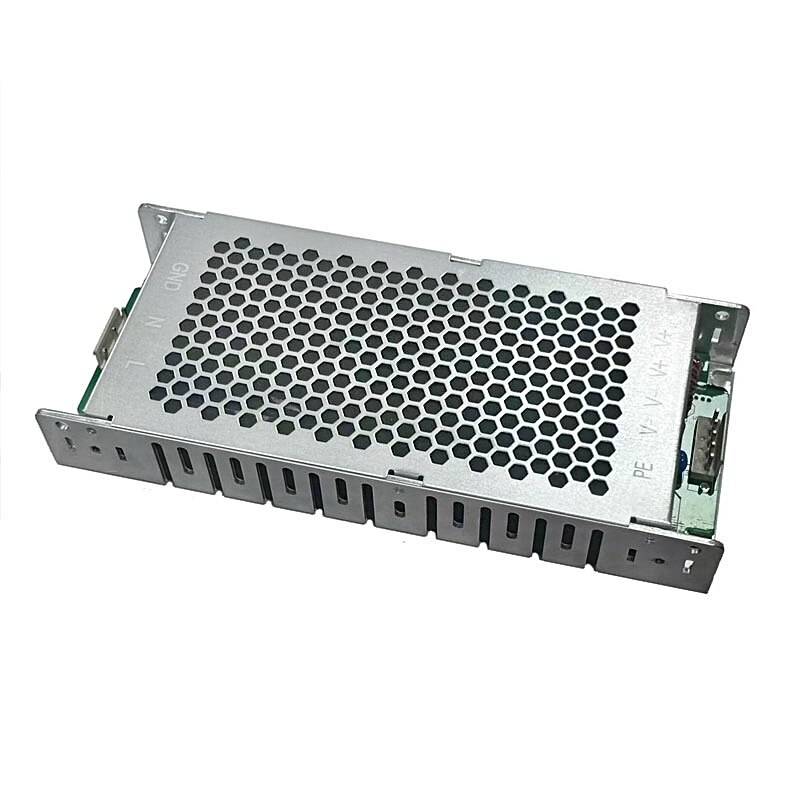
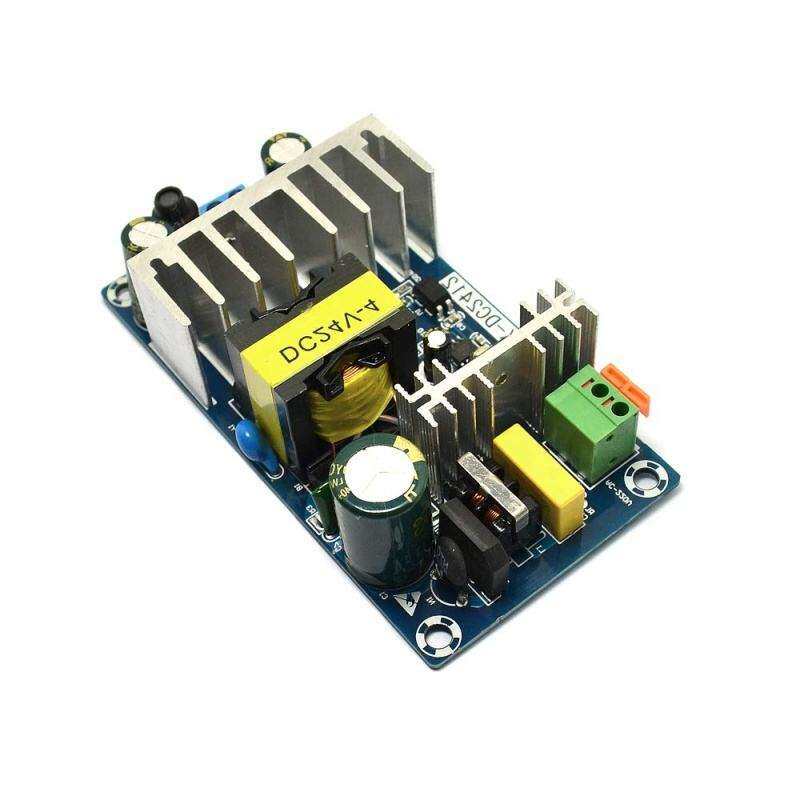
Metal Case Power Supplies
Rugged metal-cased power supplies for industrial machinery, control cabinets, LED displays, and security systems.
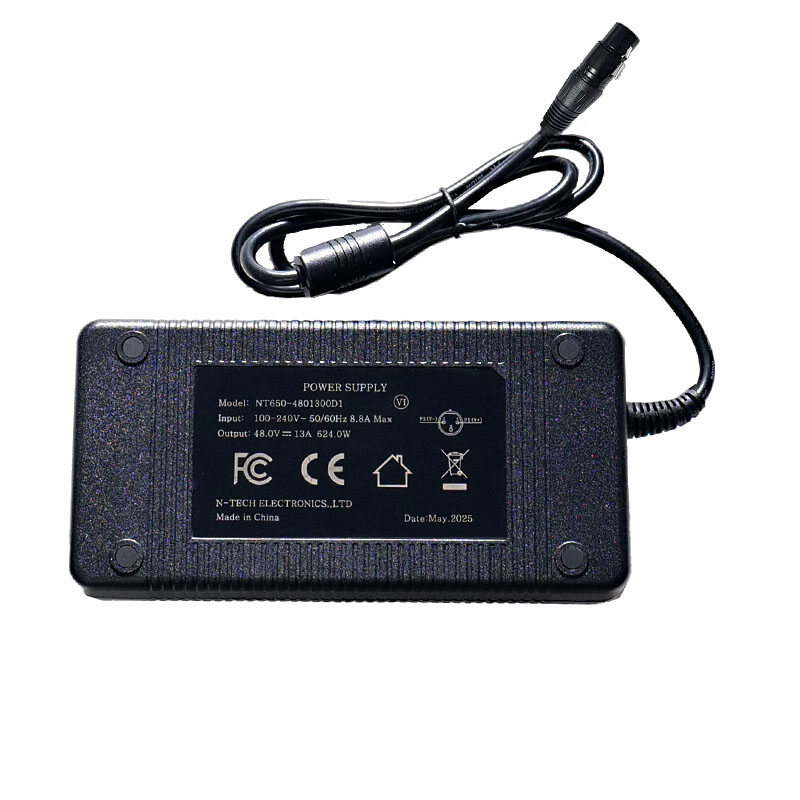
Desktop Power Adapters
Compact external desktop adapters for laptops, routers, printers, and consumer electronics.
Custom Power Solutions
Bespoke power designs tailored to your specific requirements
Standard Power Supply Series
For projects requiring proven, off-the-shelf power solutions, we offer a curated selection of standard power supply series through our trading platform.
MEAN WELL LED Drivers – Built for Reliability
For projects that require proven performance and global certifications, we offer a curated selection of MEAN WELL LED drivers — the industry benchmark for standard power solutions.
Global Certifications
MEAN WELL drivers carry UL, CE, PSE, CCC, SAA, and other international certifications, simplifying compliance for projects in any market.
Wide Product Range
From 8W to 2300W, MEAN WELL offers one of the broadest LED driver portfolios in the industry — covering virtually every application requirement.
High Reliability
Industry-leading low failure rates and long operational lifespan ensure consistent performance across demanding commercial and industrial installations.
Long-Term Supply Support
MEAN WELL maintains stable product lines with long-term availability, reducing the risk of end-of-life disruptions for your projects.
Combine MEAN WELL drivers with our custom LED fixtures for a complete, reliable, and certifiable lighting system.
Contact us for MEAN WELL driver selection and integration support →International Certifications
Our certified power supplies help your LED products enter global markets with ease—simplifying compliance, reducing project risk, and avoiding costly delays.
Manufacturing Process
Precision engineering and rigorous quality control at every step
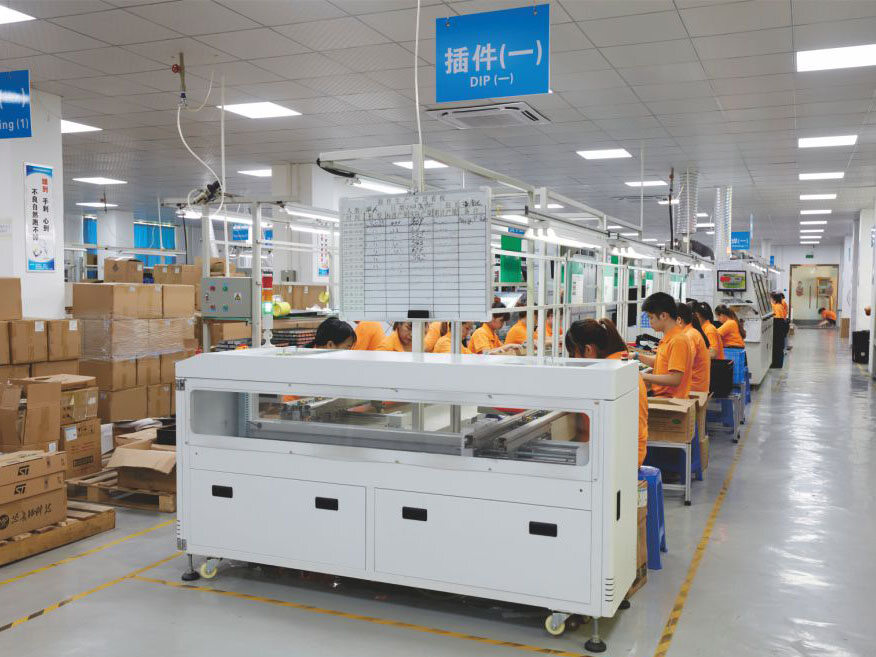
SMD & DIP
Surface Mount Device and Dual In-line Package component placement for precise, automated assembly of power supply circuits.
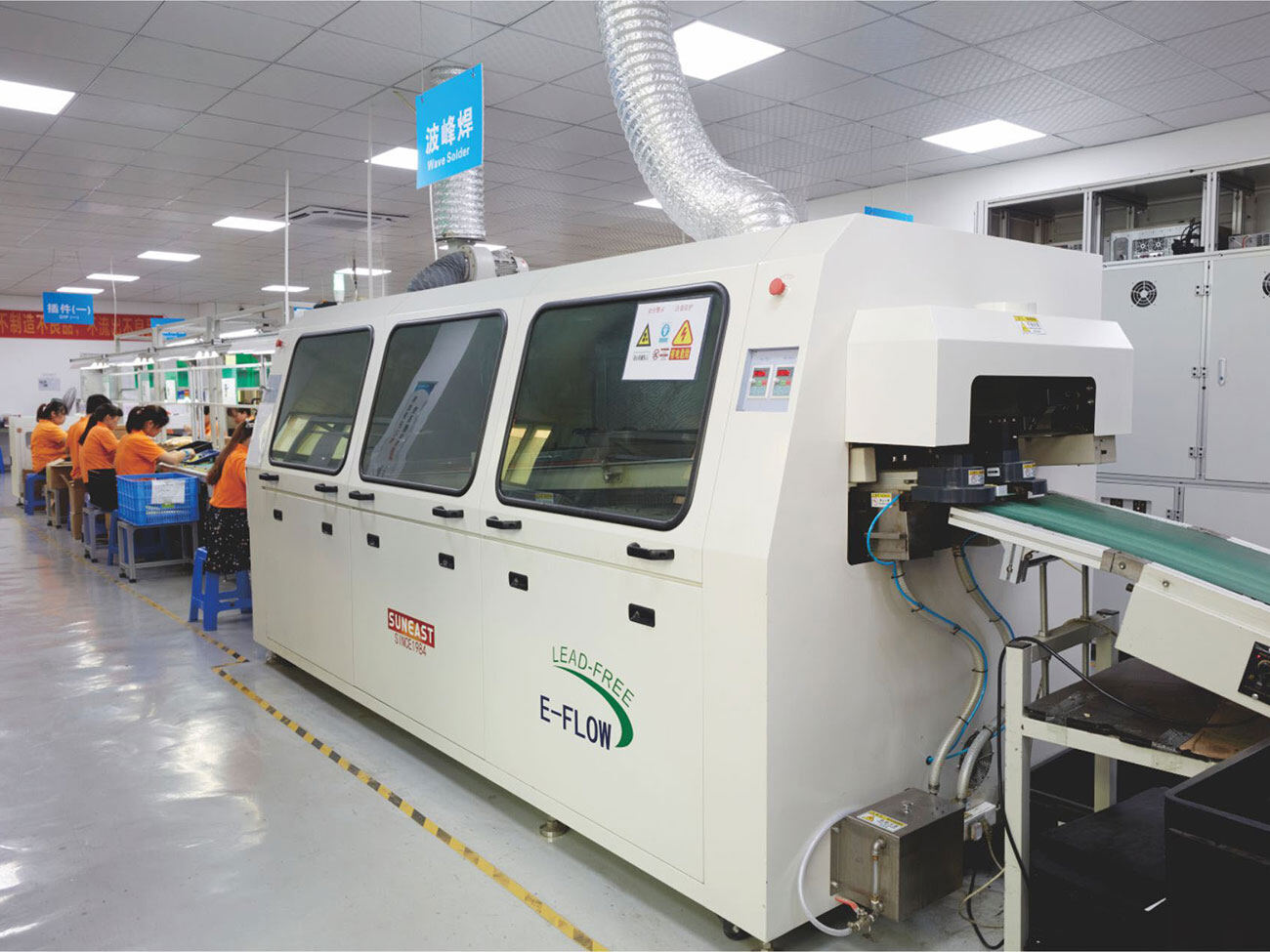
Wave Soldering
Automated wave soldering process ensures reliable solder joints for through-hole components with consistent quality.
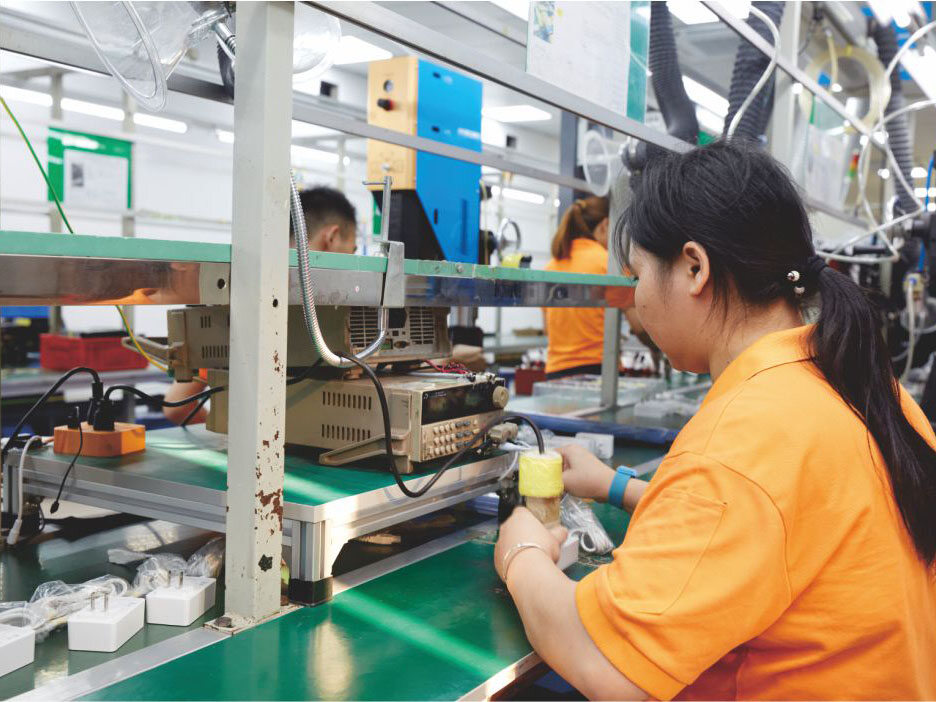
Touch-up & Lead Cutting
Manual touch-up and precision lead cutting for final component adjustment and quality refinement.
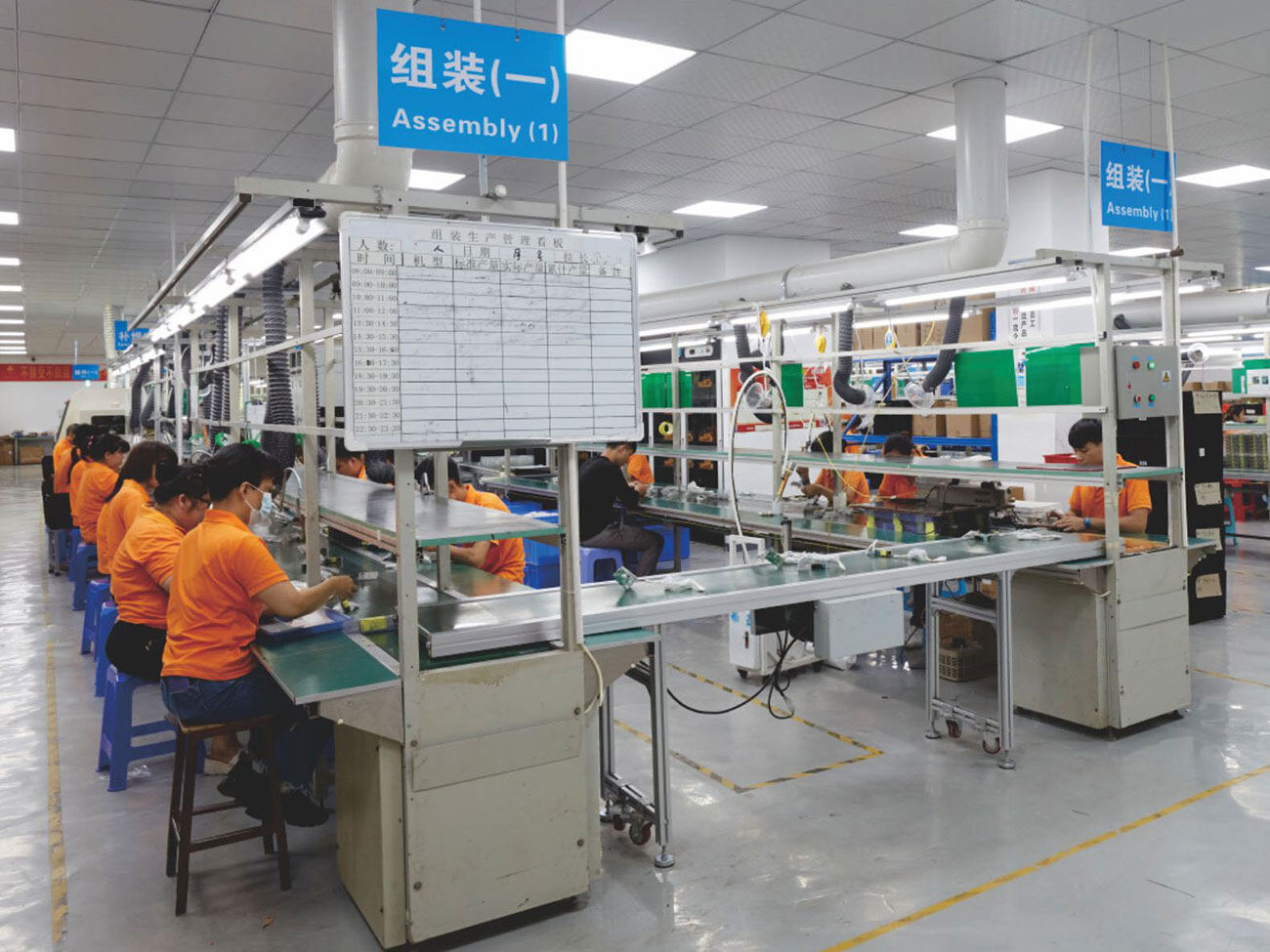
Assembly
Complete power supply assembly including housing, connectors, and final integration of all components.
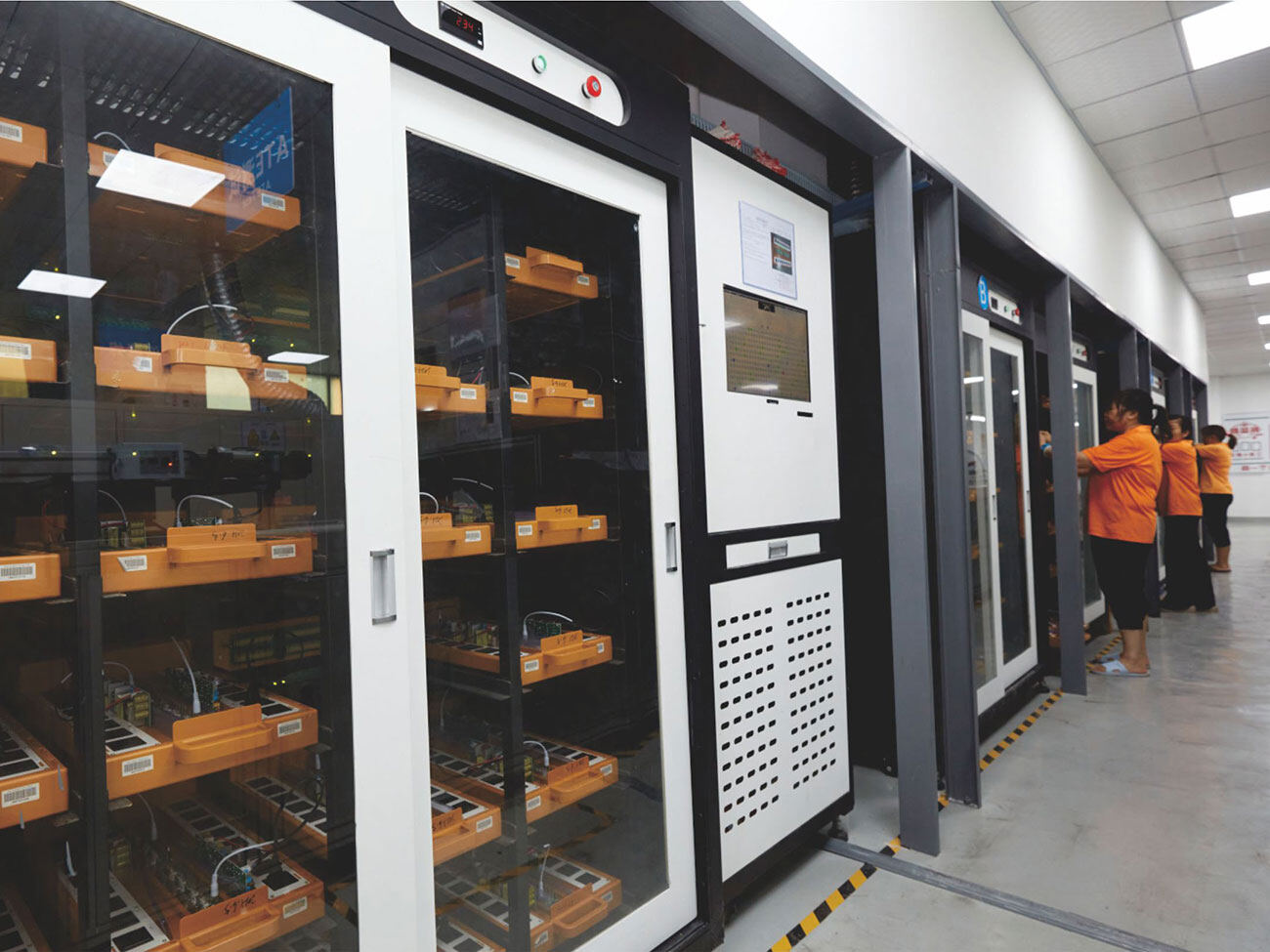
Testing & Burn-in
Comprehensive electrical testing and burn-in procedures to ensure reliability and performance under load. 100% full-load burn-in test for 24 hours to ensure long-term stability.
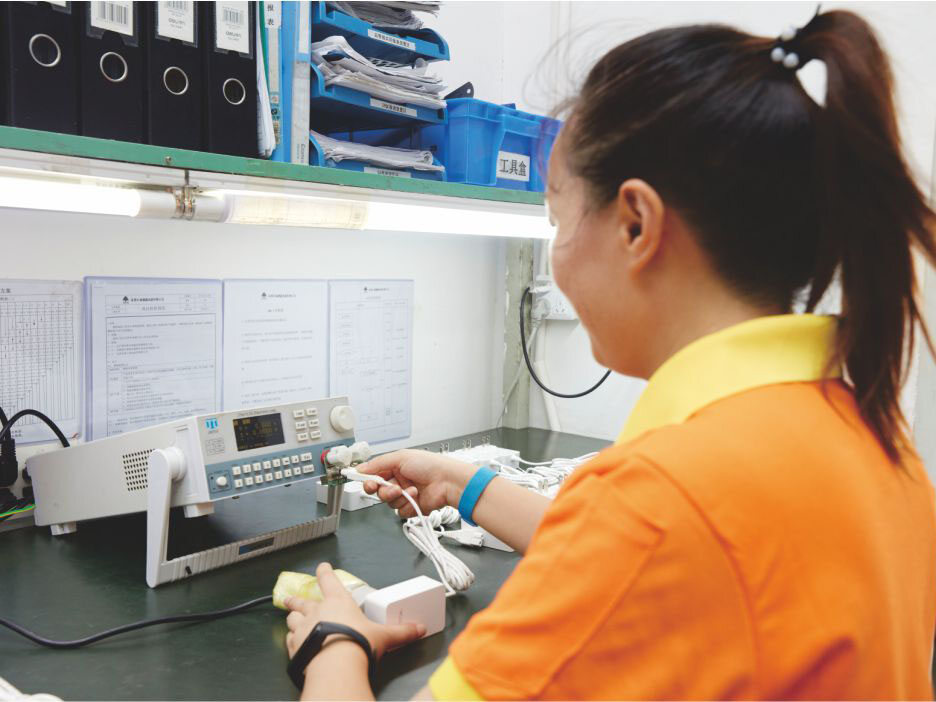
Final QC & Packing
Final quality control inspection and protective packaging for safe worldwide shipping.
Power Insights
In-depth technical content on power supply selection, driver solutions, and energy efficiency standards — helping you build reliable and compliant LED power systems.
Complete Your LED Solution
Our partnership with N-TECH ensures you get not just premium LED fixtures, but a complete, certified, and reliable lighting system from a single source.
Have a specific power requirement for your LED project? Tell us your voltage, wattage, and certification needs. We'll match you with the right solution.